Shinar: The Bible's Worst Address
The Claim, Straight
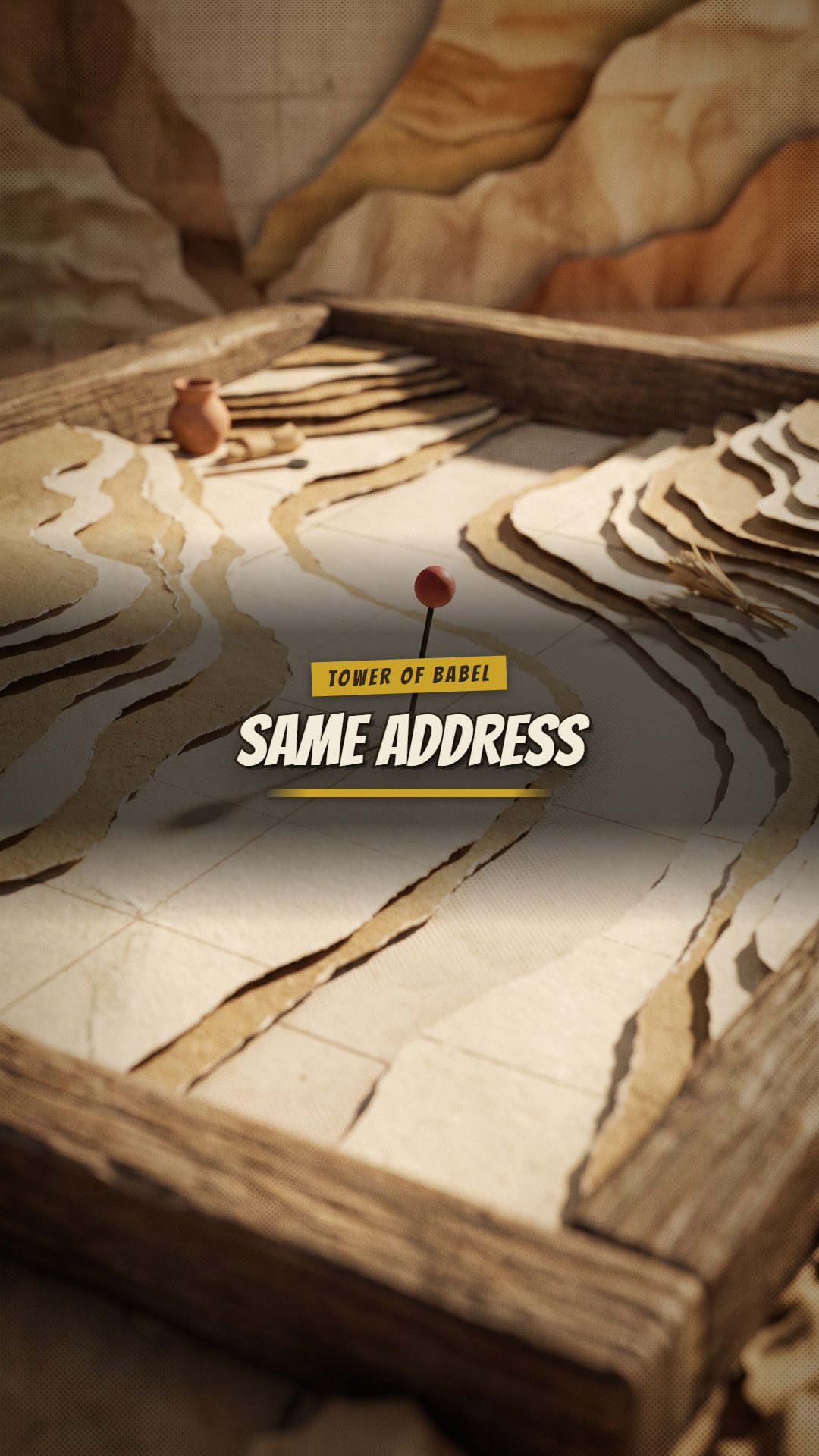
Some Bible places sound made up. Shinar is a real region, on a map today, about ninety kilometers south of Baghdad, Iraq.
Three separate times, the Bible names it again, and trouble follows.
What the Text Says
Genesis names Shinar first, as the plain the tower's builders settle on:
"And it came to pass, as they journeyed from the east, that they found a plain in the land of Shinar; and they dwelt there."GENESIS 11:2 · KJV
Centuries later, the prophet Zechariah reports a vision: a woman sealed inside a basket, and an angel's own name for what's inside:
"And he said, This is wickedness. And he cast it into the midst of the ephah; and he cast the weight of lead upon the mouth thereof."ZECHARIAH 5:8 · KJV
The vision names where that basket is headed:
"And he said unto me, To build it an house in the land of Shinar: and it shall be established, and set there upon her own base."ZECHARIAH 5:11 · KJV
Daniel names the same land a third time - the temple's own vessels, carried there:
"And the Lord gave Jehoiakim king of Judah into his hand, with part of the vessels of the house of God: which he carried into the land of Shinar to the house of his god; and he brought the vessels into the treasure house of his god."DANIEL 1:2 · KJV
The Turn
Shinar is a real region: today the site associated with it is mostly ruined foundations, about 90 kilometers south of Baghdad, Iraq.
Genesis plants a tower there. Zechariah's vision builds a house for wickedness there. Daniel's captors carry temple treasure there.
No claim beyond that - just the same four words, three books apart: "the land of Shinar."
The Fine Print
CAVEATThe claim here is limited to the shared name. Nothing in the text says these three passages describe the same event, or that Shinar itself carries a curse - only that the same place-name recurs.
CAVEATZechariah's basket is a reported vision, not a historical building narrative like Genesis 11. The two passages share a place-name, not a genre.
Questions People Ask
Is Shinar a real place?
EXTERNALYes. Shinar is a real ancient region, identified today with the area around Babylon, roughly 90 kilometers south of Baghdad, Iraq.
Where else does the Bible mention Shinar?
TEXTGenesis 11:2 names it as the tower-builders' plain; Zechariah 5:11 names it as the destination for a sealed basket called "wickedness"; Daniel 1:2 names it as where captured temple vessels are carried.
Does the Bible say Shinar is cursed?
TEXTNo. The text never uses the word "cursed" for Shinar itself - the pattern here is that three separate passages associate the place with something going wrong, not a stated curse on the land.
Sources Cited
- Genesis 11:2, King James Version: "And it came to pass, as they journeyed from the east, that they found a plain in the land of Shinar; and they dwelt there." The tower gets built on this same plain, two verses later.
- Zechariah 5:8, King James Version: "And he said, This is wickedness. And he cast it into the midst of the ephah; and he cast the weight of lead upon the mouth thereof." The angel's own name for what the sealed basket holds.
- Zechariah 5:11, King James Version: "And he said unto me, To build it an house in the land of Shinar: and it shall be established, and set there upon her own base." Where that basket is headed.
- Daniel 1:2, King James Version: "And the Lord gave Jehoiakim king of Judah into his hand, with part of the vessels of the house of God: which he carried into the land of Shinar to the house of his god; and he brought the vessels into the treasure house of his god." The temple's own vessels, carried to the same land a third time.
- Three different books, centuries apart, and the same four words show up every time: "the land of Shinar." No claim beyond that.
- Shinar's real-world location: today the region is mostly ruined foundations, about 90 kilometers south of Baghdad, Iraq - the same geographic anchor used for Etemenanki in the parent episode (see EXTERNAL_SOURCES.md).